
Kei Cars vs. JDM Sports Cars: Two Sides of Japan Kei Cars vs. JDM Sports Cars: Two Sides of Japan
Japan has a strange talent for making cars that seem to come from different planets. One moment, you see a tiny box-shaped vehicle squeezing through a narrow city street. Seconds later, a modified Nissan Skyline roars past with enough power to make the pavement reconsider its life choices. Both represent Japanese automotive culture, but their priorities could hardly be further apart. Kei cars and JDM sports cars show two distinct approaches to building machines people actually enjoy driving. Wondering which steals more people’s hearts? Let’s find out.
Two Categories, Two Very Different Missions
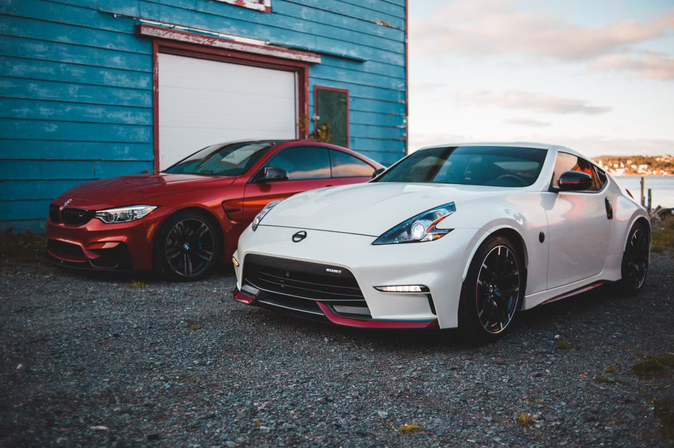
Kei cars exist because Japan has specific vehicle regulations for its smallest passenger vehicles. These rules limit dimensions, engine displacement, and other specifications. The result is a compact machine built around efficiency, affordability, and easy urban use. JDM sports cars follow a different philosophy. JDM stands for Japanese Domestic Market, referring to vehicles intended for sale in Japan. The category includes performance icons such as the Nissan Skyline GT-R, Toyota Supra, Mazda RX-7, and Honda NSX. These machines prioritize acceleration, handling, engineering, and driver involvement. One wants to fit into a tight parking space; the other wants to dominate an empty mountain road.
Size Is More Than a Visual Difference
A kei car’s compact dimensions make immediate sense in crowded Japanese cities. Narrow streets, limited parking, and heavy traffic reward vehicles that occupy less space. Small engines also help keep fuel consumption and running costs manageable. Models such as the Suzuki Alto and Honda N-Box demonstrate how clever packaging can make a small vehicle surprisingly useful. Sports cars have fewer reasons to apologize for their dimensions. Wider bodies, longer wheelbases, and substantial engines often support better high-speed stability and performance. A Toyota Supra has room for serious mechanical hardware, while a Honda Beat keeps things considerably smaller. Still, both can deliver an entertaining drive. Size changes the experience, but it does not automatically determine how much fun a car provides.
Engine Performance Takes Different Routes
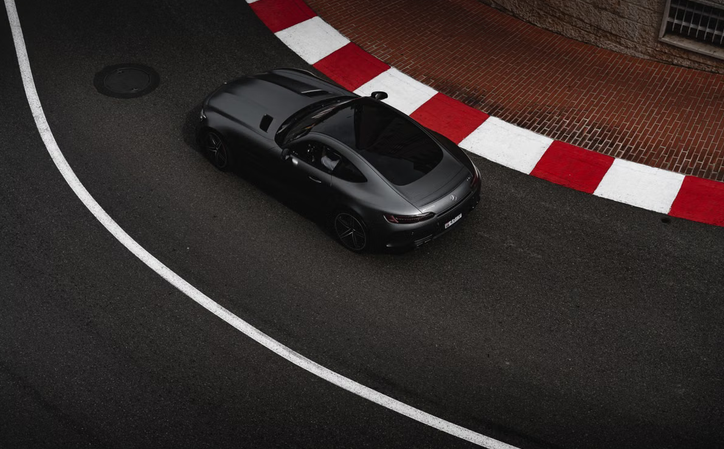
Kei cars generally use engines with a maximum displacement of 660cc under Japanese regulations. Some models use turbocharging to extract extra performance without exceeding that limit. Their modest output makes them perfectly suitable for daily commuting, although highway acceleration can require patience. You are unlikely to win a drag race, unless the competition involves a bicycle. JDM sports cars play a much louder game. Depending on the model, they can feature turbocharged four-cylinder engines, naturally aspirated six-cylinder engines, or rotary powerplants. The Nissan Skyline GT-R’s RB26DETT and Mazda RX-7’s 13B rotary engine have become famous among enthusiasts. These engines offer tuning potential, distinctive character, and serious performance. However, extra power also brings higher fuel consumption, maintenance demands, and running costs.
Driving Experience Depends on Your Priorities
A kei car delivers its charm through simplicity. Lightweight, compact proportions, and modest power can make ordinary city driving surprisingly enjoyable. Some enthusiast models, such as the Suzuki Cappuccino and Honda S660, even offer rear-wheel drive and sporty handling. They prove that entertainment does not require a massive engine or an expensive exhaust system. JDM sports cars provide a more intense experience. Strong acceleration, sharper handling, and performance-focused engineering make them appealing on winding roads and racetracks. Yet that excitement comes with trade-offs, including expensive tires, higher insurance costs, and greater maintenance requirements. A sports car can make every drive feel like an event. It can also make every visit to the workshop feel like a financial negotiation.
Which Japanese Car Philosophy Wins?
Kei cars make sense for drivers who value affordability, practicality, and easy city travel. JDM sports cars appeal to drivers who want mechanical excitement and stronger performance. Ultimately, Japan’s automotive culture is fascinating because it accommodates both extremes.…